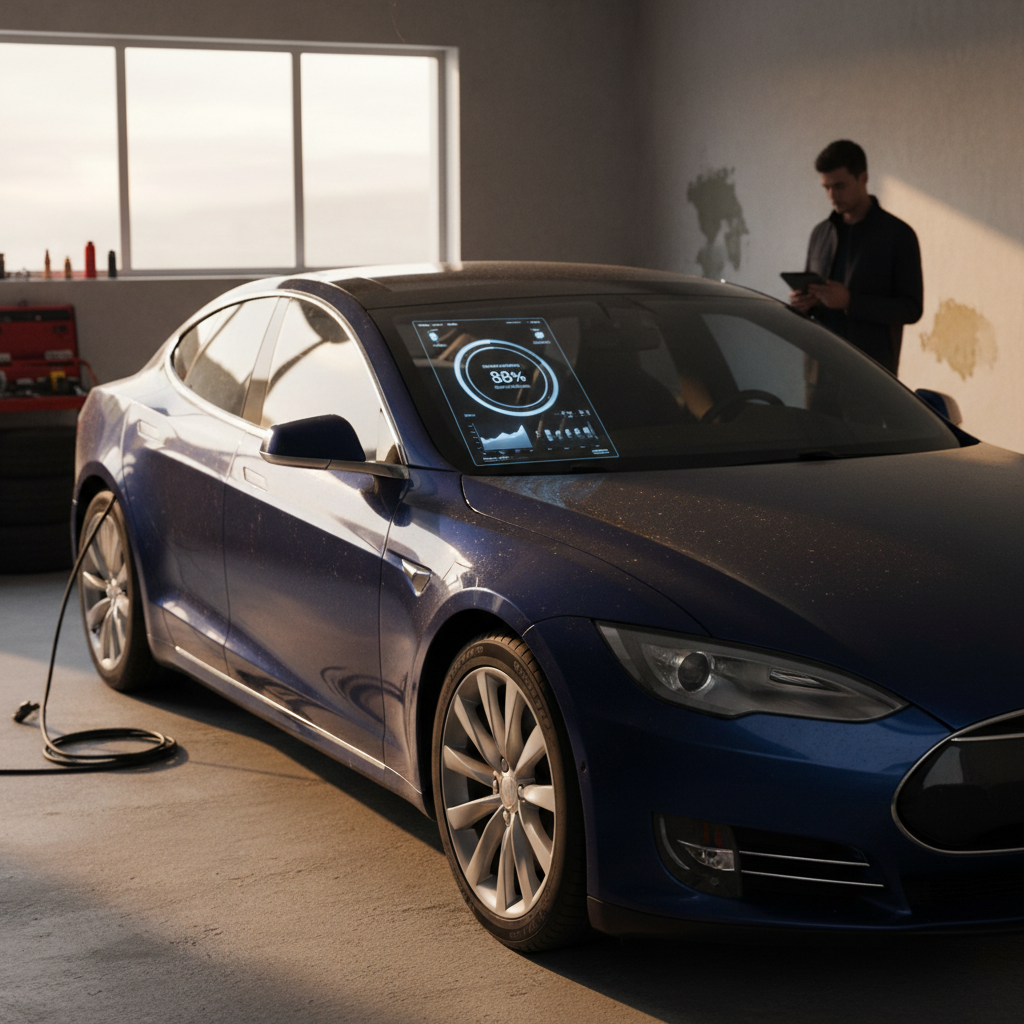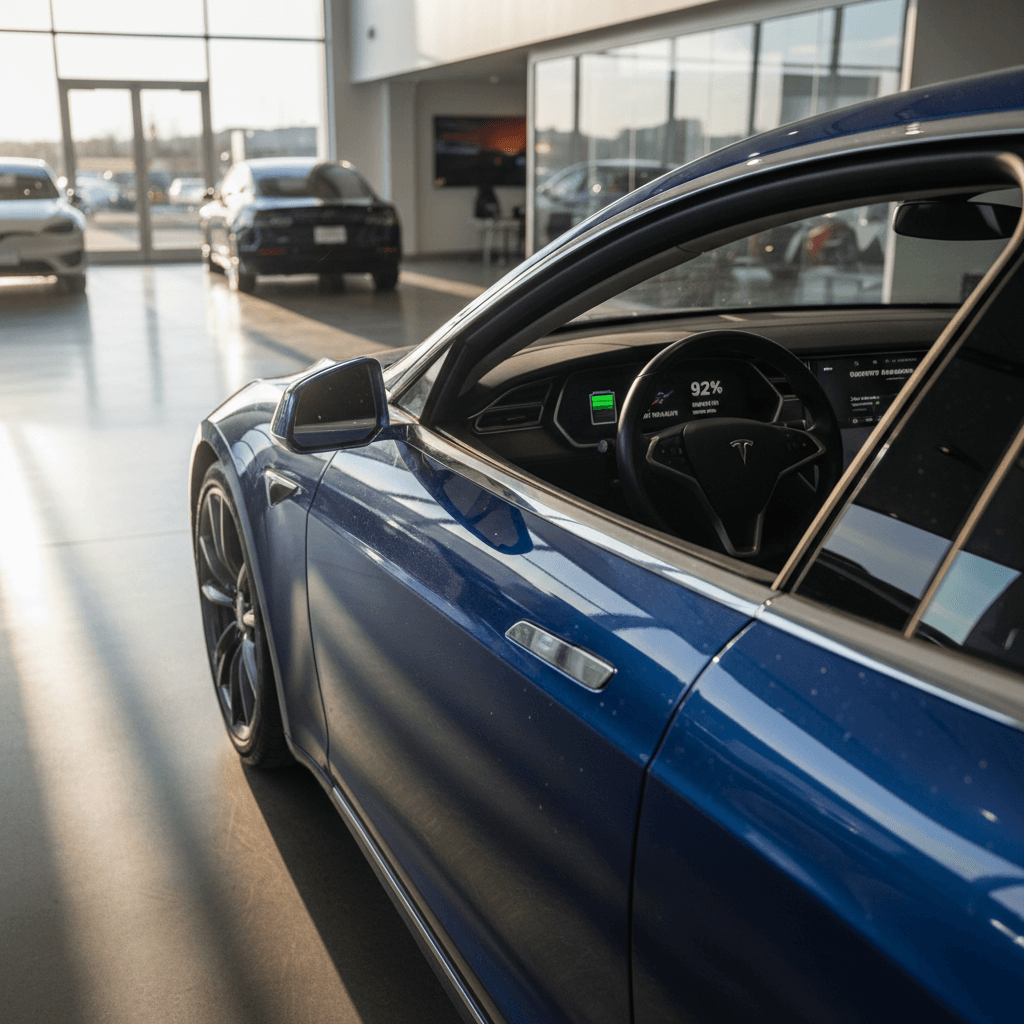
If you’re shopping for a certified pre-owned Tesla Model S, you’ve probably noticed something confusing: Tesla doesn’t actually run a traditional CPO program the way BMW, Lexus, or Mercedes do. Yet you’ll still see Model S listings called “certified” or “factory backed,” and prices all over the map. This guide untangles the terminology, explains how Tesla’s used-vehicle warranty really works, and shows you how to shop smart, whether you buy from Tesla or from an EV-focused retailer like Recharged.
Quick takeaway
What “certified pre-owned” really means for a Tesla Model S
In the traditional sense, a certified pre-owned (CPO) car is a used vehicle that has passed an OEM-backed inspection checklist, has been reconditioned to a strict standard, and carries an extended factory warranty. Most legacy brands sell these vehicles only through their franchise dealers, so there’s a clear, official CPO label.
Tesla took a different path. For years, the company marketed certain used cars as “Certified Pre-Owned,” then quietly shifted to simply calling them “Used Inventory” with a Pre-Owned Vehicle Limited Warranty. Functionally, that warranty plays the same role that CPO coverage plays at other brands, but you won’t see a flashy “CPO” badge on Tesla’s site.
Outside of Tesla’s own website, the term “certified pre-owned Tesla Model S” is mostly marketing language. A non-Tesla dealer or marketplace can’t turn a car into a factory CPO, but they can certify the car under their own process, backed by their inspections, diagnostics, and warranties. At Recharged, for example, every used EV is backed by a Recharged Score Report that verifies battery health, checks for accident damage, and compares pricing to the real market, which is the sort of transparency shoppers expect from a good CPO program.
Tesla’s used-vehicle warranty vs true CPO programs
Tesla doesn’t run a classic CPO network, but it does provide specific warranty coverage on used vehicles sold directly through Tesla. Understanding that coverage is the key to knowing what you’re really buying when you see “factory-backed” in a listing.
How Tesla’s pre-owned warranty works (simplified)
When you buy a used Model S directly from Tesla, you generally get the balance of the original 4-year / 50,000-mile Basic Vehicle Limited Warranty. After that expires, Tesla’s Pre-Owned Vehicle Limited Warranty can cover the car for an additional 1 year or 10,000 miles, depending on the specific car and what’s left on its original coverage. The separate Battery and Drive Unit Limited Warranty (usually 8 years with a mileage cap) continues to apply to that vehicle regardless of ownership changes.
That’s not identical to a traditional CPO program, where you might see two full years of unlimited-mileage coverage tacked on, but it does give you concrete protection against major defects on a used Model S, particularly important given the cost of components like air suspension, giant touchscreens, and drive units.
What you typically get with a traditional CPO
- Factory-backed multipoint inspection (often 150+ items).
- Reconditioning to meet strict cosmetic and mechanical standards.
- Extended bumper-to-bumper warranty (often 1–2 years) starting at CPO purchase date.
- Roadside assistance and trip interruption coverage.
What you get with a Tesla used Model S
- Balance of the original 4-year/50,000-mile basic warranty when applicable.
- Additional 1-year/10,000-mile Pre-Owned Vehicle Limited Warranty in many cases.
- Remaining 8-year battery and drive-unit warranty coverage.
- Inspection and reconditioning by Tesla, but fewer formal details published than classic CPO programs.
Don’t assume “certified” means Tesla-backed
How much does a warrantied used Model S cost in 2025?
In late 2025, national listing data shows the average used Tesla Model S transaction price hovering in the low-$30,000s, with a wide spread based on year, mileage, and trim. Older 2013–2015 cars often advertise between about $15,000 and $22,000, while refreshed 2021+ and Plaid models frequently sit north of $40,000.
Typical used Tesla Model S asking prices (late 2025, U.S.)
Ballpark pricing for clean-title cars with reasonable mileage. Actual numbers vary with battery health, options, and region.
| Model year range | Typical mileage | Expected price band | Who this fits |
|---|---|---|---|
| 2013–2015 | 60k–120k+ miles | $15,000–$22,000 | Budget shopper comfortable with older tech and shorter range. |
| 2016–2017 | 60k–100k miles | $20,000–$28,000 | Value hunter who still wants strong performance and decent range. |
| 2018–2019 | 40k–80k miles | $26,000–$34,000 | Balanced buyer wanting modern features without new-car pricing. |
| 2020–2021 | 30k–60k miles | $31,000–$45,000 | Driver who wants newer hardware, better interiors, and more range. |
| 2022–2023+ | Under 40k miles | $45,000–$65,000+ | Shoppers prioritizing latest tech, range, and performance trims (including Plaid). |
Expect to pay a premium for newer cars with long-range batteries, updated interiors, and Autopilot/FSD capability.
A warrantied car from Tesla or another reputable EV specialist will often sit toward the upper half of these bands. You’re paying for lower risk: documented history, professional reconditioning, and real warranty coverage, not just a detail and a set of floor mats.
Use CPO-style pricing as a ceiling, not a target
Battery health: the make-or-break factor
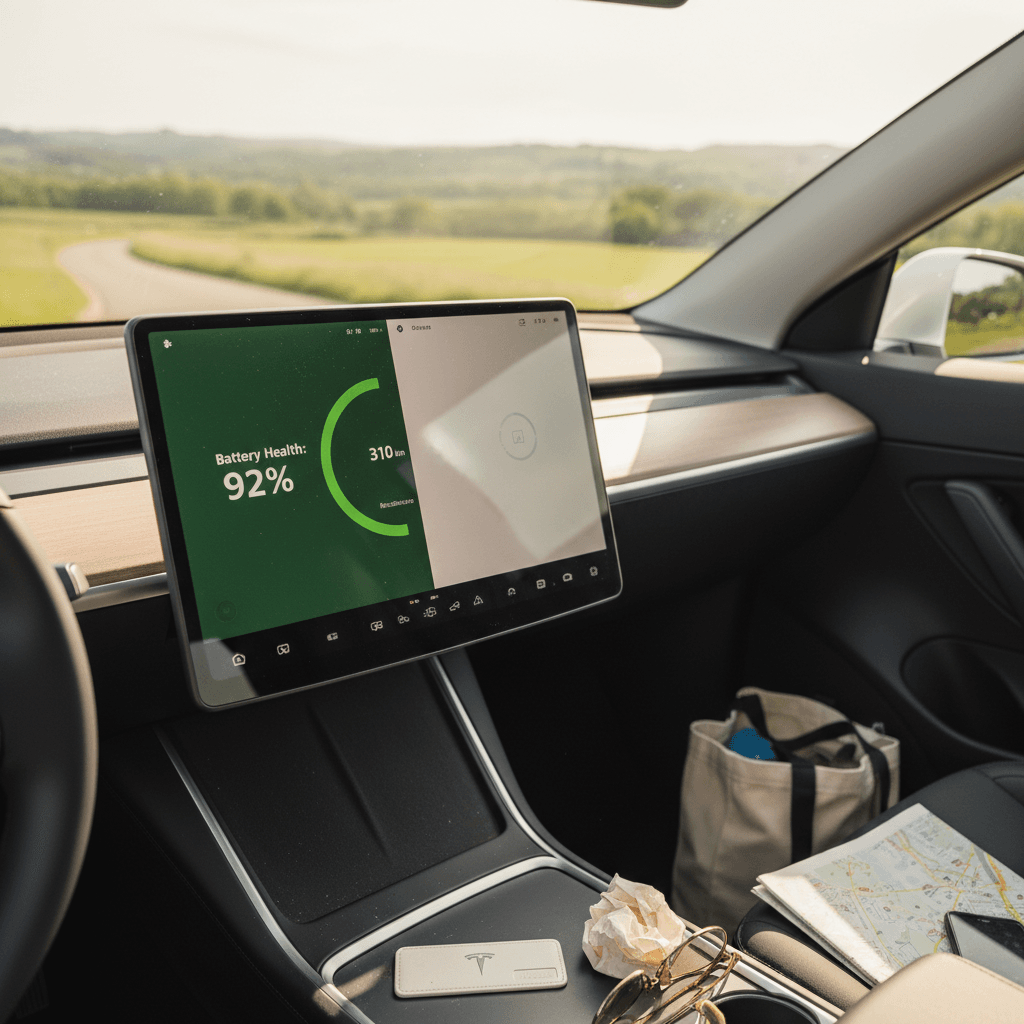
In gasoline cars, CPO status often revolves around cosmetic condition and maintenance history. With a certified pre-owned Tesla Model S, the real story is the high-voltage battery. Range is the entire value proposition, and the pack is the single most expensive component in the car.
- Battery degradation directly affects real-world range and resale value.
- Replacement or major repair of a Model S pack can run into the five-figure territory.
- Warranty coverage for the battery is time-and-mileage-limited; older high-mile cars may be outside that window.
- Simple test drives won’t tell you how much capacity the pack has really lost.
That’s why a serious CPO-style process needs to go beyond a road test and a visual once-over. At Recharged, every Model S gets a Recharged Score battery health analysis that measures usable capacity, estimates degradation compared with a new pack, and flags any charging behavior or error histories that point to hard use.
What “battery certified” should mean
Certified pre-owned Tesla Model S checklist
Whether you’re buying directly from Tesla or from an independent seller, use this checklist as your CPO baseline. If a car can’t clear most of these boxes, it doesn’t deserve a CPO-level price.
10-point CPO-style checklist for a Tesla Model S
1. Confirm remaining factory warranties
Ask for an in-writing breakdown of remaining Basic Vehicle warranty and Battery & Drive Unit warranty, including exact in-service date and mileage limits.
2. Demand a battery health report
Insist on recent, VIN-tied battery diagnostics showing estimated remaining capacity and any high-voltage error codes. This is standard at Recharged via the Recharged Score.
3. Verify clean title and accident history
Run a history report and compare it with service records. Structural repairs or multiple airbag deployments deserve a pricing discount, or a hard pass.
4. Inspect charging behavior
Confirm the car charges normally at Level 2 and DC fast chargers. Sudden charge-rate drops or repeated charge-port errors are red flags.
5. Check Autopilot and FSD status
Verify which driver-assistance features are active on the car and whether they will transfer to you. Tesla can change software entitlements between owners.
6. Look for common wear items
On older S models, focus on air suspension, MCU (center screen), door handles, and interior wear. A genuine CPO-style seller will have already addressed obvious issues.
7. Confirm key software and hardware recalls
Ask for documentation showing that open recalls and major service campaigns have been completed.
8. Test all charging equipment
If the car comes with mobile connectors or adapters, plug them in before you buy. Replacements are expensive, and you want to know they work.
9. Review service records
Look for evidence of regular maintenance, firmware updates, and any major component replacements. Gaps in the record are not an automatic no, but they affect value.
10. Get written return or exchange terms
A serious CPO-style program stands behind the product with a short return or exchange window. Understand your options before you sign.
Where to buy: Tesla vs independent EV specialist
You essentially have three places to buy a “certified” or warrantied Model S: directly from Tesla, from a traditional dealer, or from an EV-focused retailer like Recharged. Each path has trade-offs.
Three ways to buy a CPO-style Tesla Model S
Match the buying channel to how much support and transparency you want.
Direct from Tesla
- Access to Tesla’s latest used inventory and software bundles.
- Pre-Owned Vehicle Limited Warranty on many cars.
- Pricing can be firm; negotiation is limited.
- Battery health data is not always presented in detail to the buyer.
Traditional dealer or generic used lot
- May advertise “certified,” but usually via third-party service contracts.
- Wide range of quality; EV expertise varies dramatically.
- Battery diagnostics often limited or non-existent.
- Potentially good deals if you know exactly what to inspect.
EV specialist like Recharged
- Team that lives and breathes EVs, not just gas cars.
- Recharged Score battery health diagnostics and fair-market pricing analysis.
- Financing, trade-in, and nationwide delivery with a fully digital process.
- Hands-on support at the Recharged Experience Center in Richmond, VA.
Don’t overlook nationwide options
Financing and warranty strategies that actually make sense
A lot of CPO advertising is really just finance advertising. Before you lock yourself into a payment, work backwards from your comfort zone and align the loan term with the realistic life you expect from the battery and the car.
Smart financing moves
- Target a term that doesn’t dramatically outlast the battery warranty. If the pack is covered for three more years, a seven-year loan may be wishful thinking.
- Compare rates from your bank or credit union with what Tesla or an EV retailer offers. Sometimes the “CPO special” isn’t the cheapest money.
- Leave room in your budget for out-of-warranty repairs, especially on older cars with complex suspensions and electronics.
Warranty and service contracts
- Be skeptical of generic extended warranties that aren’t written with EVs in mind.
- Understand exactly what’s covered after Tesla’s own warranties expire, especially for the battery, drive unit, and infotainment.
- When in doubt, prioritize a car with a healthier battery and shorter loan term over a weaker car with a longer warranty pitch.
Use pre-qualification to shop the right cars
Frequently asked questions about CPO Tesla Model S deals
CPO Tesla Model S: common questions, clear answers
Bottom line: is a certified pre-owned Model S worth it?
If you want the performance, comfort, and long-distance capability of a Tesla Model S without paying new-car money, a certified pre-owned Tesla Model S, in the broad sense of a thoroughly inspected, warrantied car, is absolutely worth considering. The key is to look past the label and focus on what really matters: battery health, remaining factory coverage, transparent history, and realistic pricing.
Buying directly from Tesla can make sense if you find the right car with strong remaining warranty. But you don’t have to limit yourself to Tesla’s site. An EV-focused retailer like Recharged can deliver a CPO-level experience, backed by verified battery diagnostics, fair-market pricing analysis, financing, and nationwide delivery, often with more transparency than you’ll get elsewhere. Do that, and you’re not just buying a used luxury EV; you’re buying a Model S that will keep earning its keep for years to come.