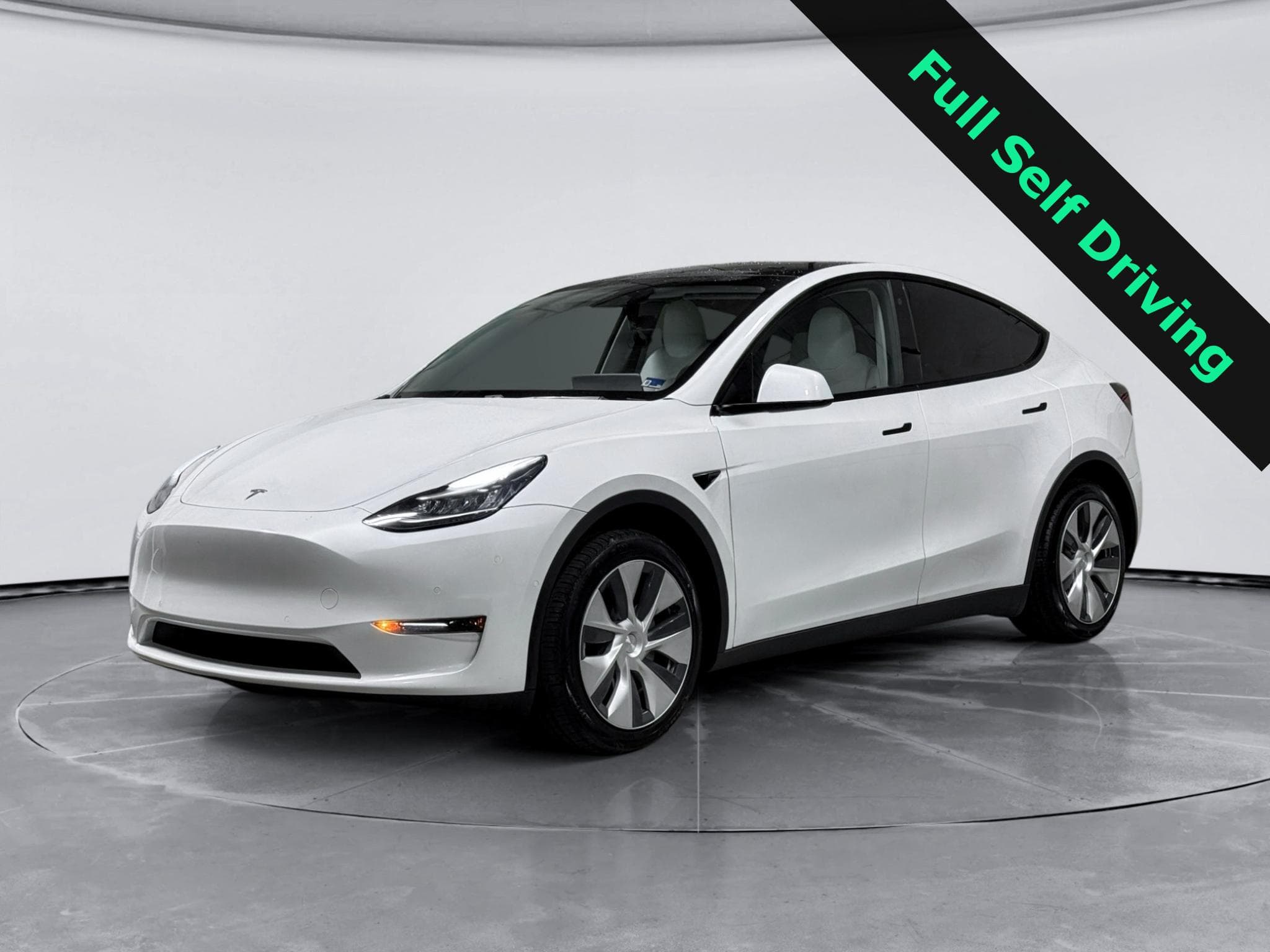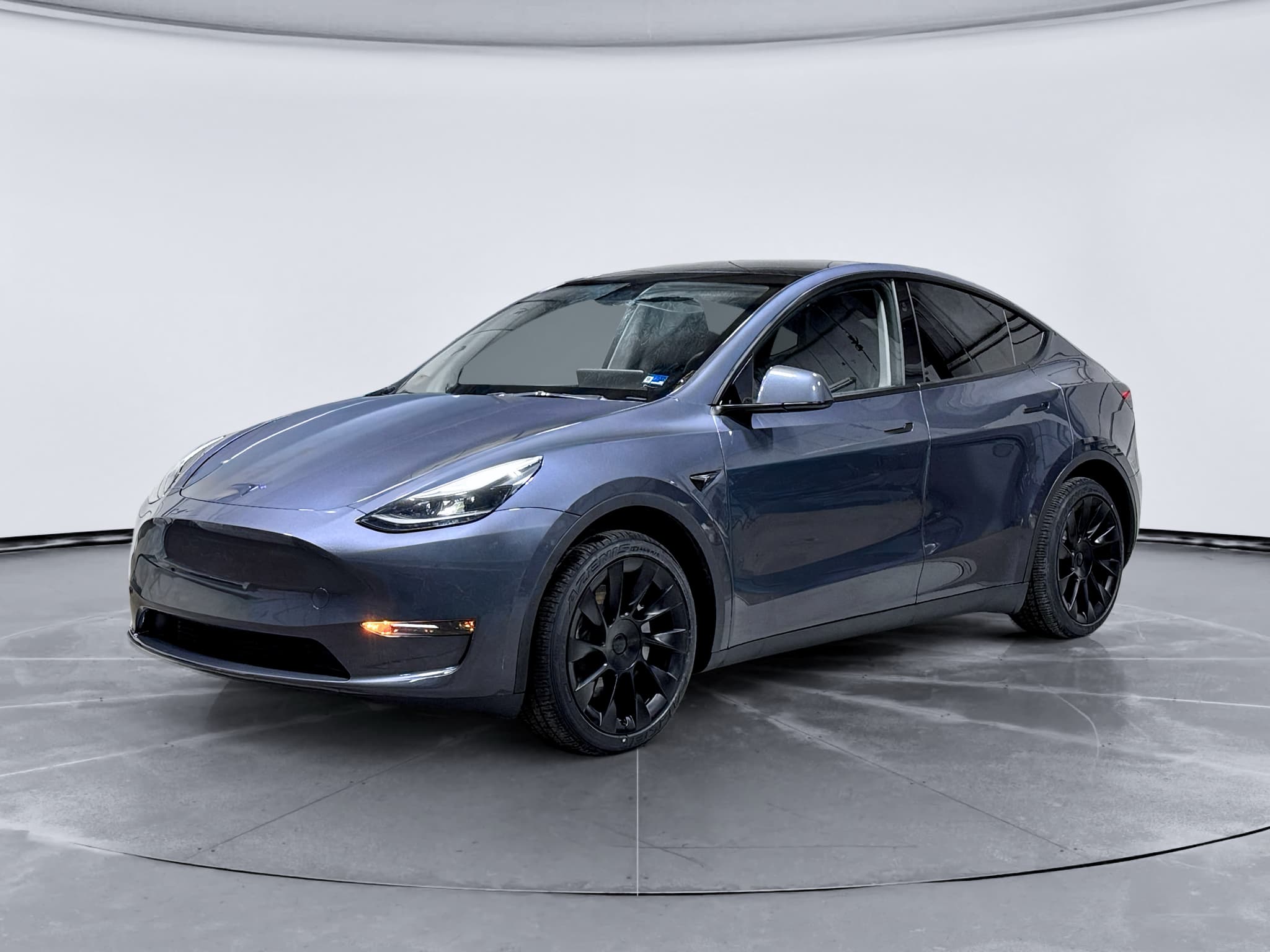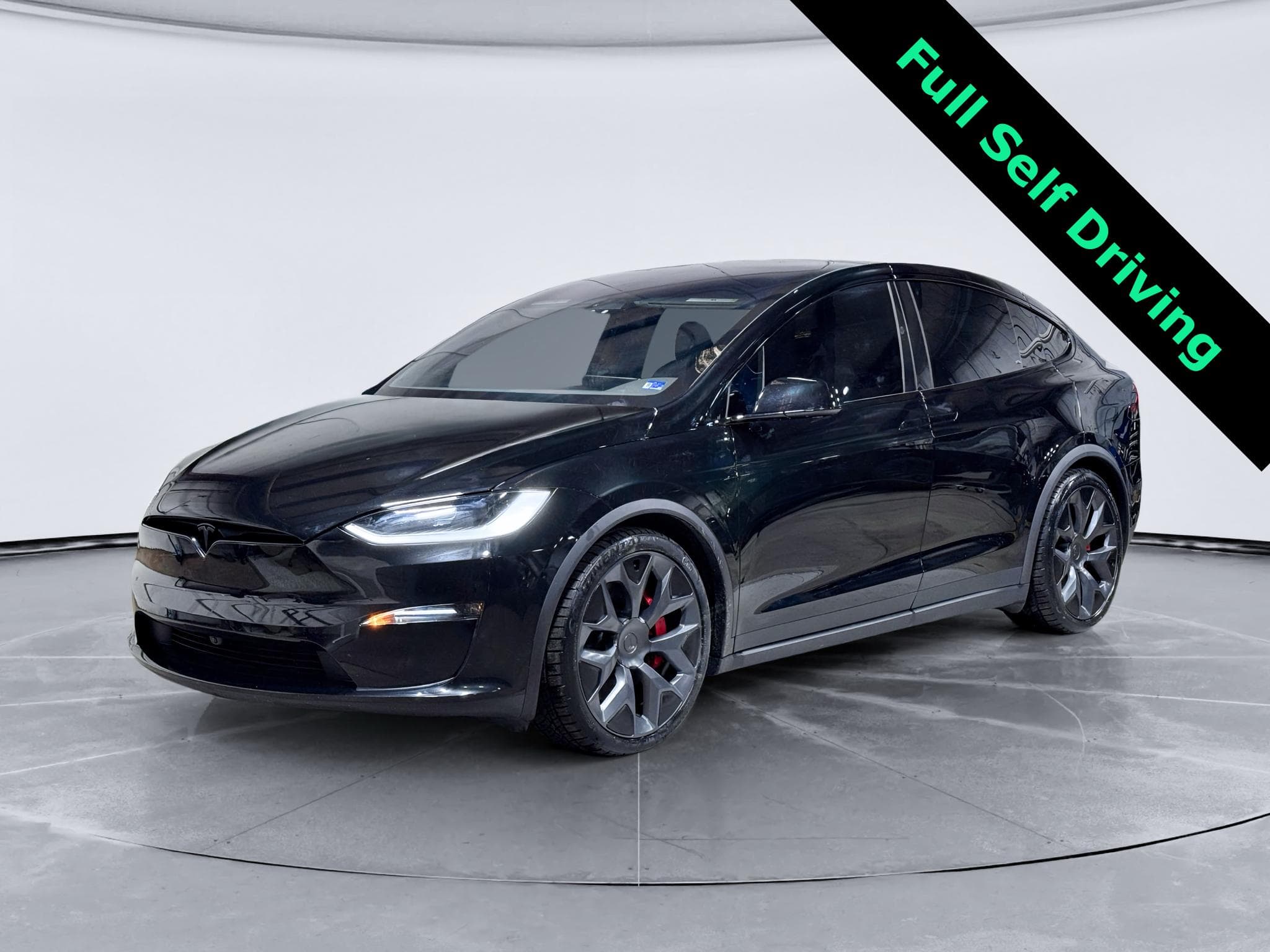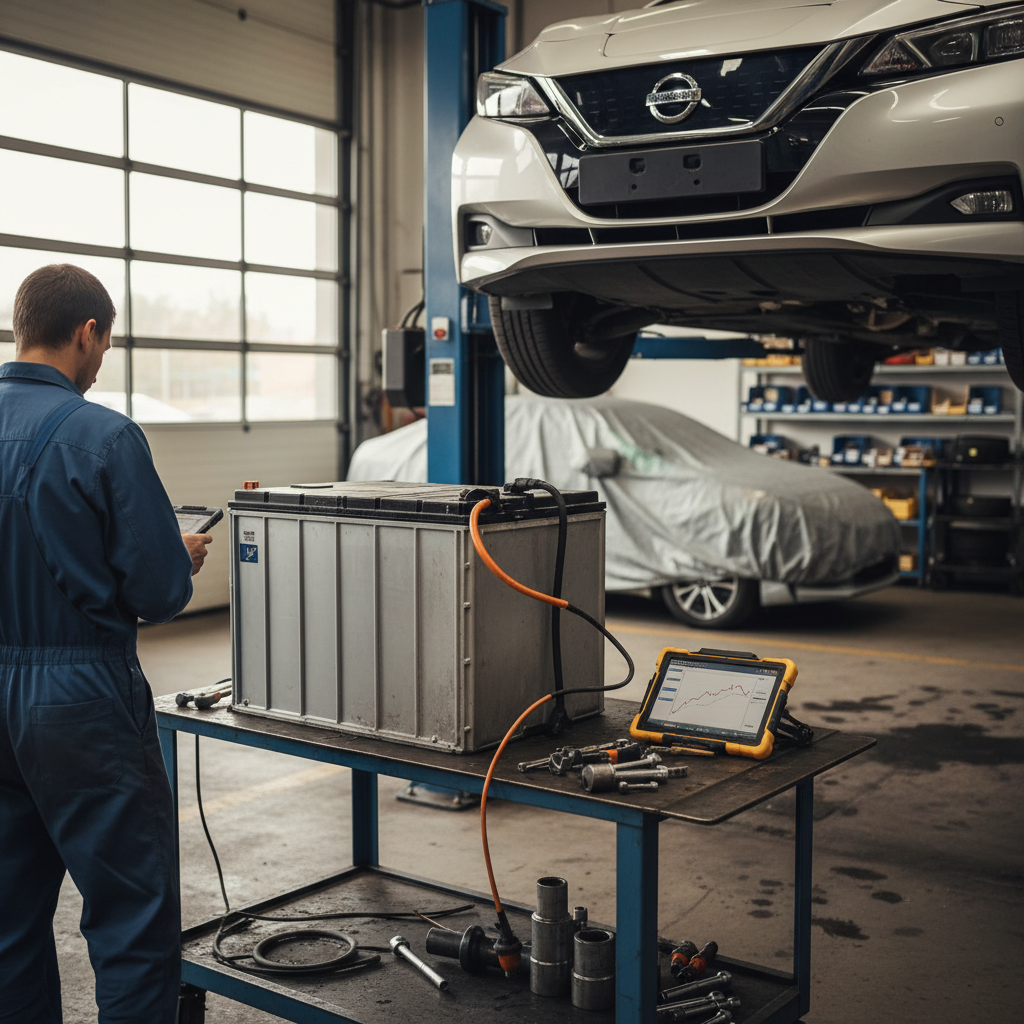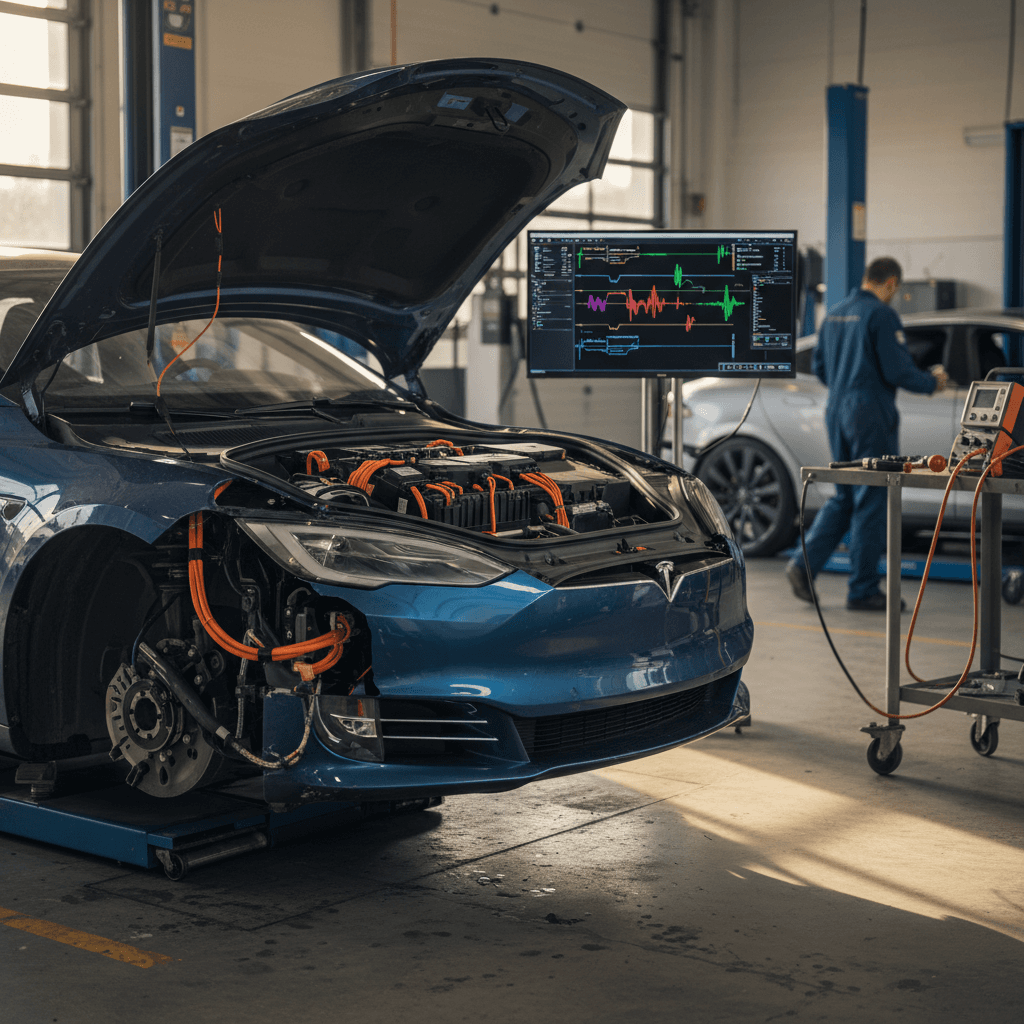
If you’re considering a Tesla, or already own one, you’ve probably heard two conflicting ideas: maintenance is cheap, but repairs are pricey. Both can be true. Routine service on an electric car is often far less than on a gas vehicle, yet certain Tesla repairs (especially collision work and out‑of‑warranty components) can produce eye‑watering invoices. Understanding real‑world Tesla repairs cost ranges is the key to budgeting, comparing a Tesla to other cars, and deciding whether a used Tesla fits your life.
Quick takeaway
Why Tesla repair costs matter more than ever
In 2025, the cost of owning any new vehicle in the U.S. is high, and electric vehicles sit at the upper end because of their purchase price and insurance. At the same time, used Tesla prices have dropped sharply, which makes them more accessible, but also raises questions about long‑term repair costs and resale value. If you’re looking at a used Model 3 or Model Y, the car might be a bargain up front, yet a big repair bill can erase that savings in a hurry.
How Tesla repair and maintenance costs compare
The catch
Maintenance vs repairs: where Teslas save, and where they don’t
Where Teslas save you money
- No oil changes: There’s no engine oil, transmission fluid service, spark plugs or timing belts to worry about.
- Fewer wear parts: Electric motors and single‑speed gearboxes have far fewer moving parts than a gas drivetrain.
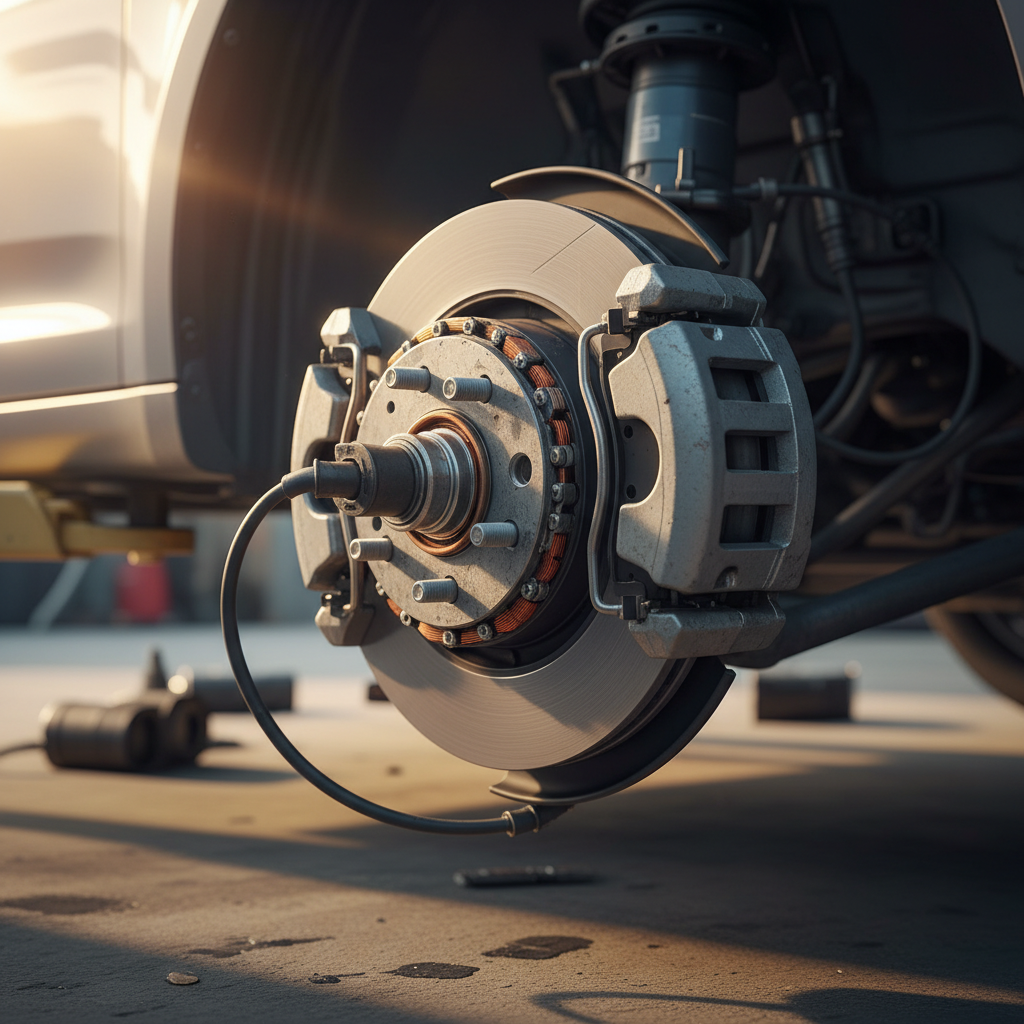
- Brake wear is low: Regenerative braking means many owners don’t replace pads or rotors until well past 80,000–100,000 miles.
- Simple service menu: Most routine work is tires, cabin filters, wipers and brake fluid checks.
Where Teslas can be expensive
- Body and glass work: Aluminum panels, large glass roofs and radar/camera calibration drive up accident‑repair bills.
- Out‑of‑warranty electronics: Touchscreens, charge ports and sensors are complex and often dealer‑only repairs.
- High‑voltage components: Battery and drive‑unit issues are rare but can be very costly outside warranty.
- Limited repair network: Fewer independent EV‑savvy shops can mean longer waits and higher hourly rates.
Think of a Tesla as a car that’s cheap to keep happy, until something big or unusual happens. Your goal as an owner is to minimize the odds of those big events and make sure you’re protected when they do occur.
Average Tesla repair costs by model
Let’s separate maintenance (expected, scheduled work) from actual repairs, things that break or need attention outside of wear‑and‑tear items. The numbers below are broad ranges based on cost‑of‑ownership studies and real‑world shop data as of late 2025. They assume typical U.S. driving of about 12,000–15,000 miles per year and no major collisions.
Estimated 5‑year Tesla repair & maintenance costs (non‑collision)
Approximate totals for new vehicles over the first 5 years of ownership. Used vehicles that are older or out of warranty will tend toward the higher end of the ranges.
| Model | Annual maintenance (avg.) | 5‑year maintenance | 5‑year repairs (non‑collision) | Total 5‑year service + repairs |
|---|---|---|---|---|
| Model 3 | $500–$600 | $2,500–$3,000 | $1,000–$2,000 | $3,500–$5,000 |
| Model Y | $500–$650 | $2,500–$3,250 | $1,200–$2,400 | $3,700–$5,650 |
| Model S | $600–$800 | $3,000–$4,000 | $1,500–$3,000 | $4,500–$7,000 |
| Model X | $650–$800 | $3,250–$4,000 | $1,500–$3,000 | $4,750–$7,000 |
These are directional averages to help you budget and compare models, not fixed quotes.
How this compares to gas cars
Common Tesla repairs and what they cost
While every vehicle is different, certain repairs show up frequently in Tesla owner stories and service invoices. Here are the ones you’re most likely to see, plus realistic cost ranges from U.S. Tesla service centers and independent EV shops.
Typical out‑of‑warranty Tesla repair bills
Realistic ballparks to help you plan, not worst‑case horror stories.
Suspension & steering
- Front control arms / links: $600–$1,400 per axle depending on model and shop.
- Wheel bearings: $400–$900 each.
- Alignment: $150–$250.
Heavier EVs put more load on suspension, especially with big wheels and rough roads.
HVAC & comfort systems
- Cabin air filter: $80–$200 service.
- AC desiccant bag / service: $300–$600.
- Heat pump or AC repairs: $800–$2,000+ depending on parts and labor.
These systems tie into battery thermal management, so repairs can be more involved than in a typical gas car.
Screens & electronics
- Center display / MCU replacement: $1,000–$2,000+ out of warranty.
- Window regulators, handles, switches: $250–$600 per door.
- Sensor or camera replacement: $200–$600 plus calibration.
Electronics rarely fail in the first few years but can be expensive later if not covered by warranty or goodwill repairs.
Charging hardware
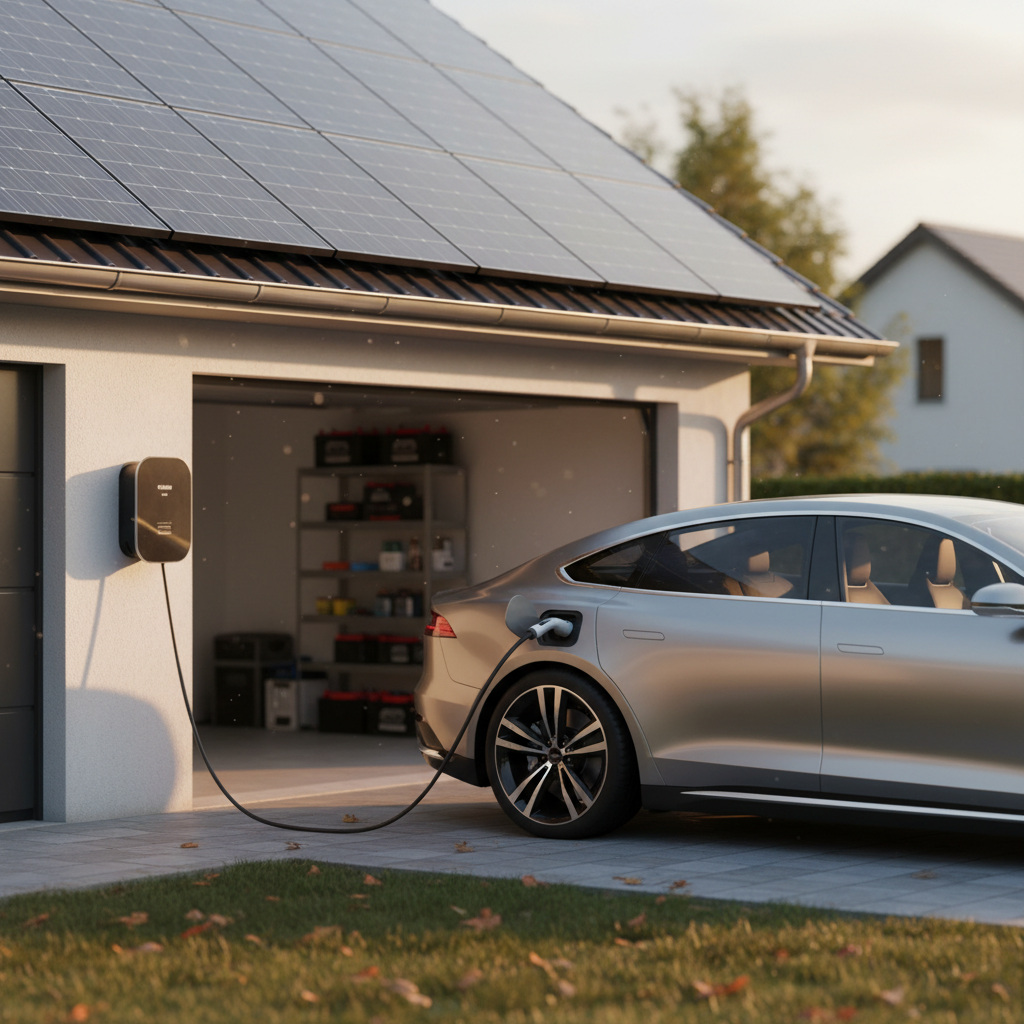
- Mobile Connector or wall connector replacement: $350–$800 installed.
- Charge port door / actuator: $250–$600.
- On‑board charger issues: $1,000–$2,500+.
Most home‑charging issues are inexpensive; high‑voltage charger failures are rare but more costly.
Budgeting tip
Battery and high‑voltage repairs: rare but expensive
The question everyone asks: “What happens if the battery fails?” The honest answer is that outright, catastrophic battery failures are uncommon, especially inside the 8‑year battery and drive‑unit warranty window. What you’re more likely to see is gradual range loss over time, not a sudden, total failure.
- Most modern Teslas carry an 8‑year/100,000–150,000‑mile battery and drive‑unit warranty, depending on model.
- Moderate range loss (for example, 10–20% over 8 years) is typically not considered a defect and isn’t a warranty claim on its own.
- Module‑level repairs are becoming more common, but many Tesla service centers still replace large assemblies rather than repairing cells.
Typical high‑voltage repair price ranges (out of warranty)
These are broad U.S. price bands seen in 2024–2025 and can shift with labor rates and parts availability.
| Repair type | Likely scenario | Approximate cost range |
|---|---|---|
| Full battery pack replacement | Severe internal fault, crash damage or extreme degradation | $12,000–$18,000+ depending on model and pack |
| Module / partial pack repair | Isolated module issue, often via specialized independent shop | $3,000–$8,000 |
| Drive‑unit replacement | Motor or inverter failure out of warranty | $5,000–$9,000 |
| High‑voltage cabling / contactors | Damage or corrosion in HV junctions | $1,000–$3,000 |
Many owners never see these repairs, but it’s useful to understand the scale.
Why battery health checks matter
Collision and body shop costs for Teslas
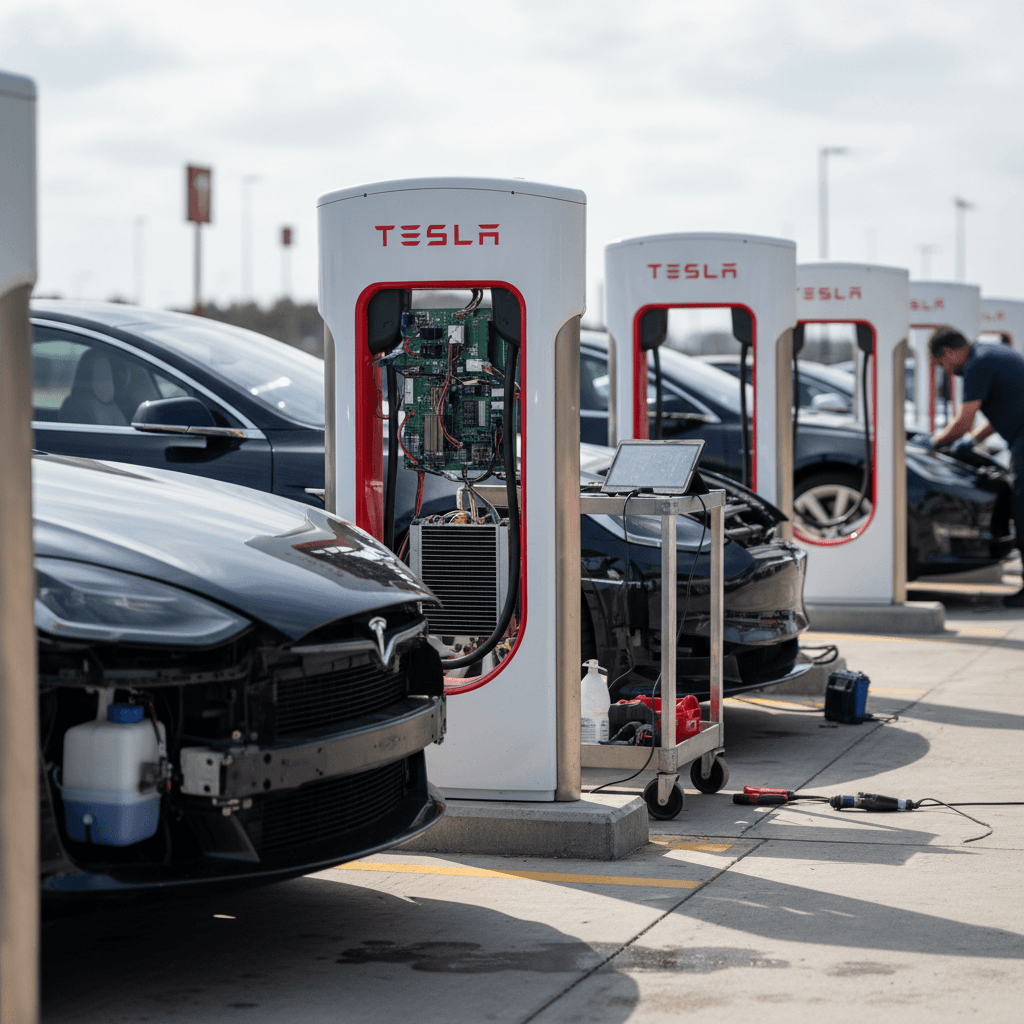
Ask any Tesla insurer or certified body shop and you’ll hear the same thing: collision repairs are where Tesla costs spike. It’s not unusual for a fairly modest accident to generate a $7,000–$15,000 repair estimate, especially on higher‑end Model S and Model X vehicles.
Typical Tesla collision‑repair scenarios
Numbers vary widely by state and insurance, but these ranges are common in 2024–2025.
Minor bumper scrape
- Refinished bumper cover and minor brackets.
- Typical cost: $1,000–$2,000.
- Might be cheaper via a quality independent shop.
Front or rear crash w/ sensors
- New bumper, grille pieces, sensors and calibration.
- Typical cost: $3,000–$7,000.
- Costs rise when radar or cameras are involved.
Glass & roof damage
- Panoramic glass roof or windshield replacement.
- Typical cost: $1,500–$3,500.
- Some shops need factory parts and special adhesives.
Corner hit with suspension
- Control arms, knuckles, wheel/tire and alignment.
- Typical cost: $5,000–$12,000.
- Often the difference between repair and total loss.
Total loss threshold
- Used Tesla values have fallen in 2025.
- More cars are now totaled rather than repaired.
- Good for getting a check, bad if you love the car.
Insurance impact
- High repair costs translate to higher premiums.
- Shopping insurers that understand EVs can save hundreds per year.
Be mindful of your deductible
What makes Tesla repairs more (or less) expensive
Key factors that influence Tesla repair costs
1. Model, year and options
Performance variants, air suspension, large wheels and features like power doors on Model X all add complexity and cost when something breaks.
2. Warranty status
If your Tesla is within the basic or battery/drive‑unit warranty, many major repairs cost you little or nothing. Once you’re beyond those dates or miles, you’re on the hook.
3. Where you get repairs done
Tesla service centers have factory expertise but may be pricier and busier. Independent EV‑specialist shops can sometimes undercut pricing, especially for suspension, brakes and cosmetic work.
4. Labor rates in your area
Big‑city and coastal markets often have higher shop rates than smaller cities or rural areas. This alone can swing a repair by 20–30%.
5. Insurance coverage and deductibles
Collision and comprehensive coverage determine how much you pay out of pocket. EV‑savvy insurers sometimes offer lower rates when they see strong safety records and driver behavior data.
6. Driving style and environment
Frequent potholes, aggressive acceleration and high‑speed driving all increase wear on tires and suspension, which are still the main non‑collision costs on a Tesla.
Practical ways to reduce your Tesla repair bill
You can’t control every rock on the highway, but you can stack the odds in your favor. Here are concrete ways to keep Tesla repairs cost under control without babying the car.
Smart habits that lower Tesla repair and maintenance costs
1. Prioritize tires and alignments
Rotate tires regularly and check pressures in the Tesla app. On heavy EVs, a misalignment can destroy a set of tires in a few thousand miles, and tires are one of your biggest recurring expenses.
2. Use scheduled service for small issues
Don’t ignore minor noises, warning lights or HVAC quirks. Early intervention can keep a $300 issue from becoming a $3,000 component replacement.
3. Shop body shops and ask about EV experience
For collision repairs, get multiple estimates and ask how often the shop works on EVs. A Tesla‑literate shop will know how to protect the high‑voltage system and may avoid unnecessary parts replacement.
4. Right‑size your insurance
Compare quotes from insurers who specifically mention EVs or Teslas. Ask how they handle battery‑related claims and when they choose to total a vehicle instead of repairing it.
5. Consider extended coverage selectively
On older, higher‑mileage Teslas with expensive options, a reputable extended service contract can cap your downside. Just avoid plans that exclude EV‑specific parts.
6. Take advantage of mobile service
Tesla’s mobile service can handle many minor repairs at your home or office, saving you time and often reducing the temptation to delay service until an issue gets worse.
Should you worry about repair costs on a used Tesla?
If you’re looking at a 3‑ to 8‑year‑old Model 3 or Model Y, the honest answer is: you should respect the risk, not fear it. The big win with a used Tesla is skipping the steep early depreciation. The trade‑off is that you’re closer to the point where components start to age out and warranties expire.
Why a used Tesla can be a bargain
- Purchase prices have dropped significantly in 2025, often undercutting the average used‑car price.
- Much of the depreciation has already happened, especially on Model S and X.
- Battery and drive‑unit warranties may still have several years and tens of thousands of miles left.
- Lower fuel and routine maintenance costs continue for the life of the car.
Where buyers get surprised
- Undiagnosed suspension wear, particularly on cars run on rough roads or with big wheels.
- Hidden accident history that leads to alignment or tire‑wear problems later.
- Out‑of‑warranty electronics issues, like screen or sensor failures.
- Unclear battery health, range that looks fine on a short test drive but is noticeably lower on road trips.
How Recharged helps
Recharged data
Used EV battery health
94%
avg remaining capacity
From Recharged battery inspections, not manufacturer estimates.
- Lowest
- 63%
- Median
- 95%
- Highest
- 100%
- Est. range
- 266 mi avg
- Cell balance pass
- 100%
- Quick charges
- 18 avg
- Slow charges
- 65 avg
Average cell imbalance: 7.3 mV
Based on vehicles Recharged tested
Recharged data
Recent EV sold prices
$27,297
median sold price
What buyers actually paid through Recharged, not list price.
- Lowest
- $500
- Average
- $29,901
- Highest
- $129,998
Monthly median sold price
Based on Recharged sales in the last 12 months
Ready to find your next EV?
Browse VehiclesTesla repair cost FAQ
Teslas flip the traditional ownership script: they’re generally cheap to maintain but potentially expensive to repair after a crash or when rare high‑voltage issues appear. If you understand those trade‑offs, budget realistically, choose the right insurance and rely on solid inspection data, especially when buying used, you can enjoy the performance and low fuel costs of a Tesla without dreading the service invoice. And if you’d rather not navigate that alone, Recharged is built to give you the battery health insights, transparent pricing and EV‑specialist support you need from first test‑drive to final signature.